
Every home has one. It might be the basement, where forty years of holidays are packed in boxes. It might be the attic, the sewing room, or the bedroom that has looked the same since a spouse passed away. Everyone in the family knows which door it is.
And almost every family makes the same plan for it: we'll deal with that room last.
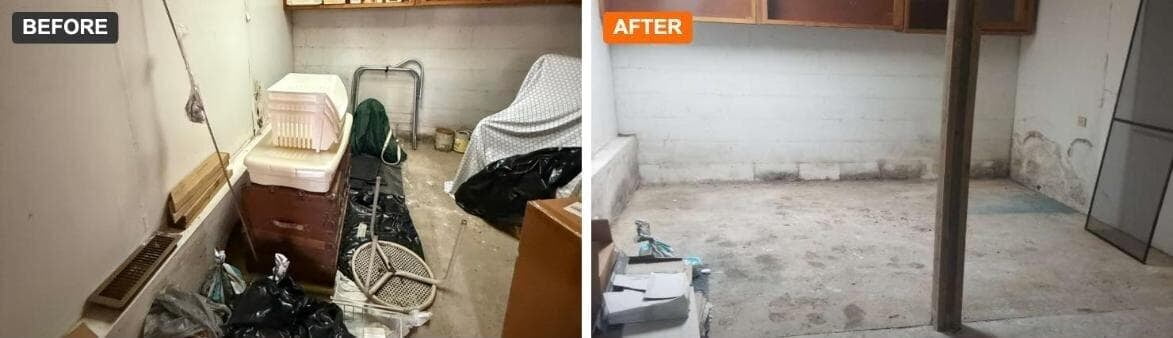
Why "last" turns out to be the worst time
Saving the hard room for last feels kind. Start with the easy rooms, build some momentum, and wait until everyone is ready.
In practice, "last" is usually when the closing date is set, siblings have flown in for a single weekend, and everyone is worn out. The room that holds the most meaning ends up getting the least patience. Decisions get made in a rush, and they're often the ones families regret.
What that room means to your parent
To an adult child, that room may look like clutter. To the person who lived there, it's proof of a life fully lived. The boxes in the basement hold the years when the house was full. A closed bedroom may hold a grief that was never finished.
That's why words matter. When a son or daughter calls it "the scary room," even as a joke, a parent can hear something different: that the things they kept were a burden all along, and maybe they were too.
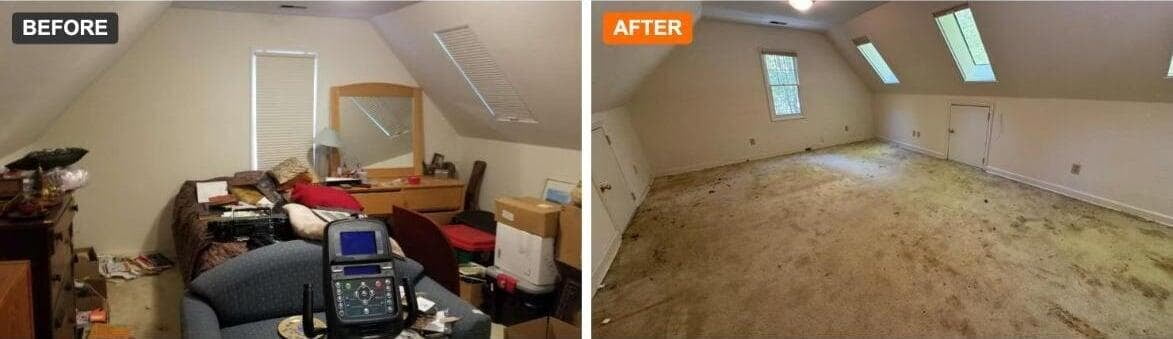
Open the door early, and let your parent lead
The families who handle this well do one thing differently. They open the door early, before any decisions are due.
- Go in together, with no agenda. Nothing has to leave the room that day.
- Ask about the story, not the stuff. Swap "What are we getting rid of?" for "Tell me about this."
- Let your parent set the pace. The goal of the first visit is just to listen while there's still time.
- Agree on one small next step. One shelf, one box, or one item to set aside for a grandchild is enough.
Try this one question this month
Pick the room your family has been avoiding and ask: "What do you remember most about this room?" Then listen, and don't steer toward decisions.
You'll learn what matters most. Your parent will learn they won't be rushed. That trust makes every later conversation easier.

Get the free five-step guide
Our guide, The Room Nobody Wants to Open, turns this approach into a plan. It walks you through five steps, from the first question you ask to the one small next step you agree on, so the hardest room becomes where the conversation starts instead of where it falls apart.
Frequently asked questions
Has The Downsizers helped your family? A short Google review helps another family find a team they can trust.